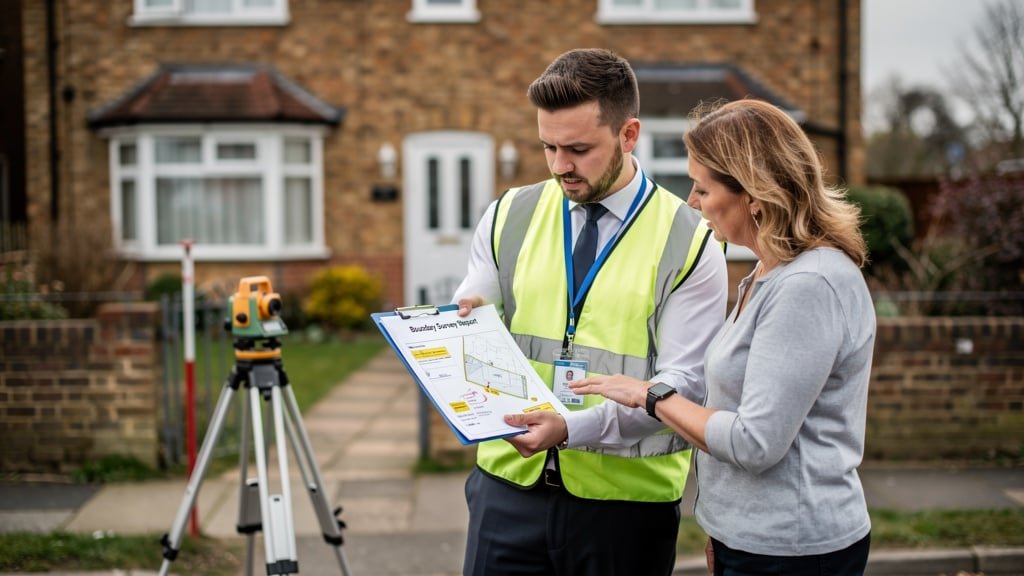
Selecting the right land surveyor significantly affects project outcomes. Quality survey data enables informed decisions, prevents costly mistakes, and supports smooth project progression. Poor surveys lead to design revisions, planning delays, construction problems, and disputes. Yet many property owners and developers struggle to evaluate survey providers, unclear about what differentiates professional surveyors from less qualified alternatives. Topo Surveyor has compiled this comprehensive guide to help you choose survey services confidently.
This article explains the qualifications, capabilities, and characteristics that distinguish quality survey providers. Whether you need a topographical survey for a planning application, measured building survey for renovations, boundary survey for property transactions, or any other land surveying services, understanding how to evaluate providers ensures you receive professional service delivering the accurate data your project requires.
Understanding Surveyor Qualifications and Accreditation
Professional qualifications represent the foundation of surveyor competence. Reputable surveyors hold recognized qualifications demonstrating they've completed formal training, passed rigorous examinations, and committed to continuing professional development maintaining current knowledge.
The Royal Institution of Chartered Surveyors represents the UK's premier surveying professional body. RICS members must complete extensive education including university degrees and structured workplace training, pass professional assessments examining technical knowledge and professional conduct, maintain continuing professional development completing minimum annual learning hours, and adhere to ethical standards through binding professional rules. RICS accreditation provides clients with confidence that surveyors possess fundamental competence and professional accountability.
The Chartered Institution of Civil Engineering Surveyors offers another respected qualification route. CICES members specialize in setting out, dimensional control, and engineering surveying supporting construction projects. While RICS covers broader property disciplines, CICES focuses specifically on surveying practice, making both qualifications relevant depending on survey requirements.
Membership in professional bodies isn't merely decorative—it provides practical client protections. Professional bodies maintain complaints procedures investigating alleged poor practice. They offer client protection schemes providing recourse if members fail to deliver promised services. They require professional indemnity insurance protecting clients financially if surveys contain errors causing losses. When surveyors display professional body logos, verify membership directly with the organizations rather than relying solely on claims.
Qualifications don't guarantee that individual surveyors are ideal for every project type. Some focus on building surveying, others on quantity surveying or land surveying. Ensure surveyors you consider have relevant experience with your specific survey type. A highly qualified building surveyor might lack expertise in topographical land surveys that your project requires. Ask about surveyors' specializations and experience with similar projects to yours.
Unqualified survey providers exist, often charging less but lacking professional training, insurance, or accountability. While cost tempts some clients toward unqualified providers, the risks usually outweigh savings. Survey errors discovered during design or construction cost far more to correct than the original survey cost savings. Professional indemnity insurance—which qualified surveyors maintain but unqualified providers typically lack—provides crucial protection if surveys prove deficient. Choosing qualified professionals represents prudent risk management.
Evaluating Technical Capabilities and Equipment
Modern land surveying requires sophisticated equipment and technical expertise to operate it effectively. Assessing surveyor technical capabilities helps ensure you'll receive accurate, comprehensive survey data meeting project requirements.
Survey equipment quality affects result accuracy significantly. Professional-grade total stations, GPS receivers, laser scanners, and utility detection equipment cost tens to hundreds of thousands of pounds, representing substantial capital investment that quality survey companies maintain. Consumer-grade equipment costing a fraction lacks the accuracy, reliability, and capability that demanding projects require. When discussing surveys with providers, ask what equipment they use. Reputable companies happily describe their technology and explain why it's appropriate for your survey needs.
Technology alone doesn't ensure quality surveys—operator expertise matters equally. Using total stations or laser scanners effectively requires training and experience that develops through years of practice. Surveyors must understand equipment capabilities and limitations, recognize when measurements appear questionable, adapt to challenging site conditions, and integrate data from multiple sources properly. Ask about surveyor experience operating equipment they'll use for your project. How long have they used these systems? What training have they completed? What challenging projects have they successfully surveyed?
Software capabilities affect survey deliverable quality and usability. Professional CAD software produces precisely dimensioned drawings that architects and engineers can use directly in design work. Survey processing software integrates data from different sources into cohesive datasets. Ask what software surveyors use and what file formats they deliver. Ensure deliverable formats match what your project team needs—architects might want AutoCAD DWG files, while you personally might need PDF plans for reference.
Range of capabilities matters when projects have varied requirements. Comprehensive survey companies offer topographical surveys, measured building surveys, boundary surveys, utility surveys, and specialized assessments. Working with providers offering full survey scopes simplifies coordination compared to engaging multiple specialists. If your development requires topographical surveys for planning plus utility surveys for design, can one company provide both? Consolidated service usually proves more efficient than managing multiple survey providers.
Assessing Experience with Similar Projects
Surveyor experience with projects similar to yours provides confidence they understand your requirements and can deliver appropriate results. Experience brings familiarity with typical challenges, knowledge of what information you'll need, and relationships with local authorities who'll review survey data.
Ask potential survey providers about their experience with your project type. If you're preparing a planning application, have they supported planning applications previously? Do they understand what local authorities require? If you're conducting due diligence on land acquisition, have they assessed development sites before? Do they know what information helps developers make informed purchase decisions? Specific relevant experience reduces risk that surveyors will miss important requirements or deliver inappropriate information.
Geographic knowledge benefits many projects. Local surveyors understand regional planning authority expectations, know coordinate systems used in areas, and have relationships with utility companies providing service plans. For projects in unfamiliar areas, national survey companies should demonstrate they've researched local requirements and engaged with relevant authorities. Geographic unfamiliarity isn't necessarily disqualifying, but you want confidence surveyors have addressed any location-specific considerations.
References from previous clients provide valuable insights into surveyor performance. Reputable companies readily provide references or showcase project examples demonstrating their capabilities. When contacting references, ask whether surveys were completed on time, whether information was accurate and complete, whether surveyors communicated effectively, whether any problems arose and how they were resolved, and whether the client would use the surveyor again. References reveal surveyor strengths and weaknesses beyond what marketing materials claim.
Portfolio examples show survey deliverable quality. Ask to see sample survey reports and CAD drawings from projects similar to yours. Examine whether drawings are clear and well-organized, whether reports explain findings comprehensively, whether accuracy and limitations are stated transparently, and whether presentation appears professional. Quality varies significantly between survey providers, and examples reveal what you're actually purchasing.
Understanding Survey Costs and Value
Survey costs represent important selection criteria, but the cheapest quote rarely delivers best value. Understanding what affects survey costs and how to evaluate value rather than just price helps you make informed decisions balancing economy with quality.
Survey costs reflect multiple factors beyond base measurements. Site size affects time required—larger sites take longer to survey comprehensively. Site complexity influences costs—dense vegetation, difficult access, steep terrain, or complex built environments increase survey difficulty and time. Accuracy requirements matter—higher precision requires more careful measurement and verification. Detail level affects costs—capturing every decorative feature costs more than documenting basic building outlines. Deliverable requirements influence pricing—producing multiple drawing formats or specialized 3D models adds processing time.
Comparing quotes meaningfully requires understanding what's included. Does the quote cover preliminary desktop research? How many site visits are included? What accuracies will be achieved? What deliverable formats are provided? Is follow-up support included if questions arise? The lowest quote might reflect limited scope compared to comprehensive proposals including extensive site work, thorough documentation, and generous support. Detailed quotations explaining scope help compare alternatives fairly.
Value extends beyond direct survey costs. Professional surveys prevent expensive problems—design revisions, planning delays, construction surprises, or disputes all costing multiples of survey savings from choosing cheaper providers. Insurance protection through professional indemnity coverage provides safety nets if survey errors cause financial losses—coverage qualified surveyors maintain but budget providers often lack. Responsive communication and ongoing support help you use survey data effectively—value that cheap one-way deliveries don't provide.
Beware quotes that seem too good to be true—they usually are. Substantially below-market pricing often indicates shortcuts in site work, processing thoroughness, or deliverable quality. Survey providers pricing aggressively to win work might economize through rushed fieldwork missing critical features, minimal checking allowing errors through, inadequate reporting leaving ambiguities, or inexperienced staff lacking expertise. When quotes vary dramatically, investigate why rather than automatically accepting the lowest price.
Fixed price quotes provide certainty and protect against scope creep. Reputable surveyors specify exactly what's included and commit to delivering for agreed prices. If additional work becomes necessary beyond original scope, professional companies discuss requirements and costs before proceeding rather than surprising clients with unexpected charges. Clear scope definition and pricing transparency characterize trustworthy survey providers.
Communication and Service Quality Indicators
Survey quality depends partly on technical factors but also on less tangible service characteristics like communication, responsiveness, and professionalism. Assessing these softer factors helps identify providers you'll enjoy working with beyond just technical competence.
Initial responsiveness reveals company culture and client priority. When you get in touch inquiring about survey services, do providers respond promptly? Do they answer questions thoroughly? Do they demonstrate interest in understanding your requirements rather than pushing standard packages? Companies valuing clients prioritize responsive communication from first contact through project completion. Slow initial responses often predict ongoing communication difficulties.
Consultation approach indicates whether providers truly understand your needs. Quality surveyors ask questions about your project, intended survey use, timeline constraints, and budget parameters before proposing solutions. Cookie-cutter proposals suggesting standard surveys without understanding your context suggest providers more interested in quick sales than appropriate service. Consultative approaches identifying your actual needs result in better-targeted surveys delivering relevant information.
Transparency about capabilities and limitations demonstrates professional honesty. No survey company handles every possible survey type perfectly. Reputable providers acknowledge when requirements fall outside their expertise and might refer you to specialists better suited to your needs. Claiming universal capability regardless of requirements suggests either overconfidence or dishonesty—neither characteristics you want in service providers.
Contractual clarity protects both parties. Professional survey agreements specify scope, deliverables, timescales, costs, and terms clearly. They explain what happens if sites prove more complex than anticipated, if access is delayed, or if you request scope changes. Clear contracts prevent misunderstandings and provide frameworks for resolving issues if they arise. Vague agreements leaving important terms uncertain create confusion and dispute risks.
Project communication during surveys keeps you informed. Do surveyors update you about fieldwork progress? Do they contact you if issues arise requiring decisions? Can you reach them easily if questions emerge? Regular communication demonstrates professionalism and allows problems to be addressed quickly rather than becoming nasty surprises at delivery.
Verifying Insurance and Professional Standards
Financial protections through insurance and adherence to professional standards provide important safeguards when commissioning surveys. Understanding these protections helps you assess provider reliability and your recourse if problems occur.
Professional indemnity insurance protects clients if survey errors cause financial losses. Qualified surveyors maintain substantial PI coverage—typically one to five million pounds depending on project scales they undertake. If surveys contain significant errors requiring expensive design revisions or causing construction problems, PI insurance provides compensation. Uninsured survey providers leave you without recourse beyond potentially unrecoverable legal action. Always verify that surveyors carry appropriate PI coverage before engaging them.
Public liability insurance protects against injuries or property damage occurring during survey work. While surveyors work carefully to avoid causing harm, accidents happen. If survey equipment damages vehicles, if surveyors cause injury through negligence, or if survey activities create hazards, public liability insurance provides protection. Professional companies maintain adequate coverage automatically, but confirming coverage demonstrates due diligence.
Health and safety policies reveal professional approach to risk management. Survey work involves potential hazards—working near roads, entering buildings, using equipment. Professional companies implement formal health and safety policies, conduct risk assessments, train staff appropriately, and maintain incident records. Companies taking safety seriously reduce accident risks and demonstrate general professionalism likely reflected in technical work quality.
Complaints procedures provide recourse if service falls short. Professional body membership includes access to formal complaints procedures investigating alleged poor practice. Additionally, reputable companies have internal complaints processes enabling clients to raise concerns and receive substantive responses. Companies confident in their service quality welcome feedback and address issues constructively rather than defensively.
Data protection compliance matters when surveys involve personal information or site-sensitive data. GDPR requires appropriate data handling, storage, and protection. Professional survey companies maintain policies ensuring compliance. While this might seem tangential to survey technical quality, companies attending to regulatory compliance demonstrate thoroughness likely reflected throughout operations.
Making Your Final Selection Decision
After researching qualifications, evaluating capabilities, checking references, comparing costs, and assessing service quality, you're ready to select your survey provider. Several factors help finalize decisions when multiple providers meet basic requirements.
Trust your instincts about working relationships. You'll communicate extensively with surveyors during projects. Choose providers you're comfortable with, who communicate clearly, who demonstrate interest in your success, and who you trust to deliver promised services. Professional competence matters, but so do interpersonal factors affecting working relationships.
Consider long-term relationships beyond immediate projects. If you're a developer undertaking multiple projects, or a property owner anticipating future work, building relationships with reliable survey companies delivers value over time. Surveyors familiar with your preferences, working style, and quality expectations deliver increasingly efficient service. While switching providers for every project might seem economical, relationship value often outweighs marginal cost differences.
Local presence benefits some projects while national reach suits others. Local survey companies offer geographic knowledge, established authority relationships, and nearby responsiveness. National companies provide consistent service across locations, specialized capabilities concentrated companies develop, and financial stability supporting large projects. Neither local nor national is inherently superior—appropriateness depends on specific project characteristics.
Gut feelings about professionalism matter. If something feels wrong during discussions—evasive answers, aggressive sales tactics, reluctance to provide references—trust concerns and continue searching. Abundance of quality survey providers means you needn't compromise on factors important to you.
Conclusion: Investing in Quality Surveying
Choosing the right land surveyor represents an important decision affecting project success. Quality surveys enable informed decisions, prevent expensive mistakes, and support smooth progression from planning through construction. While selecting surveyors requires research and evaluation effort, the investment in choosing well pays dividends throughout projects.
At Topo Surveyor, we hold professional qualifications, maintain modern equipment, bring extensive project experience, communicate transparently, and deliver quality survey services our clients depend on. We understand that you're not just buying survey data—you're investing in project success.
If you're seeking professional land surveying services, get in touch with our survey experts. We'll discuss your requirements, explain our capabilities, provide transparent quotations, and demonstrate why clients across the UK trust Topo Surveyor for their survey needs.
Professional Survey Services You Can Trust
Our CIOB, RICS, and RPSA accredited surveyors deliver comprehensive, accurate survey services across the UK. Experience the difference professional surveying makes to your project success.
Choose Topo Surveyor for Professional Excellence
Our CIOB, RICS & RPSA accredited surveyors deliver accurate, comprehensive survey services across the UK. With advanced equipment, expert knowledge, and client-focused service, we're the right choice for your survey needs.